
Waifu Card Collecting: The Beginner's Guide
Updated June 15, 2026
The short answer
Start by picking one character or one game — not both at once. Buy singles instead of booster boxes for your first purchases, learn the rarity ladder of your chosen game (base rare → SR → alt art → SEC/SP), and put every card worth more than $20 in a sleeve and toploader immediately.
Pick a lane: character-first or game-first
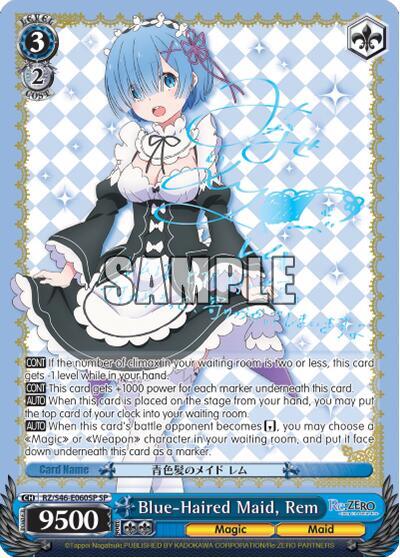
Every sustainable collection starts with a constraint. Character-first collectors chase every print of one character — every Nami, every Rem — across sets and even across games. Game-first collectors pick one TCG and collect its best female-character cards broadly. Both work; collecting 'everything waifu' does not, because the market is enormous and you'll burn out or go broke.
Character-first is more satisfying if you're an anime fan before you're a card fan. Game-first is better if you enjoy the market itself — set releases, pull rates, and price movement give you a constant stream of decisions.

Affiliate disclosure: TCGWaifu may earn a commission from purchases made through the links above, at no extra cost to you. Linked prices are TCGplayer market prices, refreshed weekly.
Buy singles first, boxes later
A booster box is a lottery ticket with good production values. For almost every set, the total market value of an average box's contents is less than the box costs — that difference is the fun of ripping packs, and you should treat it as entertainment spending.
When you want a specific card, buy the specific card. Your first three purchases should be singles of cards you actually want, sleeved and in your hands, before you ever rip a pack.
Learn the rarity ladder
Each game names rarities differently, but the shape is the same everywhere: a cheap base version of a character, a mid-tier foil (SR), a premium alt art, and a scarce top slot (SEC, SP, SAR, manga rare). The same character at the same power level can cost $4 or $800 depending on which rung you buy.
This ladder is your friend. Start on the cheap rungs of characters you love, and climb only when you know you'll still want the card next year.
- Tier 1–2: base commons and rares — binder fillers, $1–10
- Tier 3: SR / holo — the workhorse tier, $5–50
- Tier 4: alt arts, full arts, 1–2 star prints — $50–200
- Tier 5: SEC, SP signed, manga rare, SAR — $100 to four figures
Protect everything immediately
Condition is most of a card's value. A $100 alt art with a whitened corner is a $40 card. The moment a card worth more than $20 enters your possession, it goes into a penny sleeve, then a toploader or a binder with side-loading pockets. Keep cards away from sunlight and humidity — foils curl.
Set a monthly number
This hobby has infinite depth and the market never stops producing new chase cards. Decide what you spend per month before you start, and treat grails as things you save toward across months — not impulse buys. The collectors who last are the ones who never had to sell their collection to fix a budget mistake.
Frequently asked questions
- What is a waifu card?
- A trading card collected primarily for the female anime character on it, rather than for gameplay use. Artwork, character popularity, and rarity drive the value.
- What's the best TCG for waifu collecting in 2026?
- The One Piece Card Game has the hottest market, Weiss Schwarz has the deepest character coverage, and Pokémon trainer full arts are the most liquid. Union Arena is the best value entry point.
- How much money do I need to start?
- Around $50 buys three or four genuinely nice SR-tier cards of a popular character plus sleeves and a binder. You do not need to start with a $400 chase card.
- Should I grade my cards?
- Only if the card is worth several times the grading fee and your copy is close to flawless. For most collectors, raw cards in good storage are the right call.
What to keep them in
- Dragon Shield Perfect Fit Standard Sealable Sleeves - Clear Thindra (100-Pack)Seals on all four edges and fits inside any standard-size outer sleeve — the inner half of a double-sleeve stack.Check price
- Vault X Zip Binder Exo-Tec - Black 9 Pocket9 pockets per page across 20 pages (360 cards), with a water-resistant zip closure to keep dust and humidity off stored foils.Check price
- Dragon Shield Matte Sleeves - Black (100-Pack)100-count matte outer sleeve sized for a standard 2.5×3.5in card — goes over a Perfect Fit inner to complete a double-sleeve stack.Check price
Affiliate disclosure: TCGWaifu may earn a commission from purchases made through the links above, at no extra cost to you. Prices shown are editorial estimates, not live quotes.